

Tulsa Grass & Sod Farms Inc.
Grass varieties
A simpler way to choose the right sod for your yard, build, or project.
Compare the grasses we quote most often, then open the quote form with the right variety already selected.
Full sun
Astro Bermuda and TifTuf are the fastest starting points for sunny Oklahoma lawns.
Mixed light
Black Beauty Tall Fescue brings deeper color where a cooler-season lawn makes sense.
Lower inputs
TifTuf and Buffalo Grass are useful when water use or maintenance expectations matter most.
Pick a variety
Tap a card and the quote form opens with that grass selected.
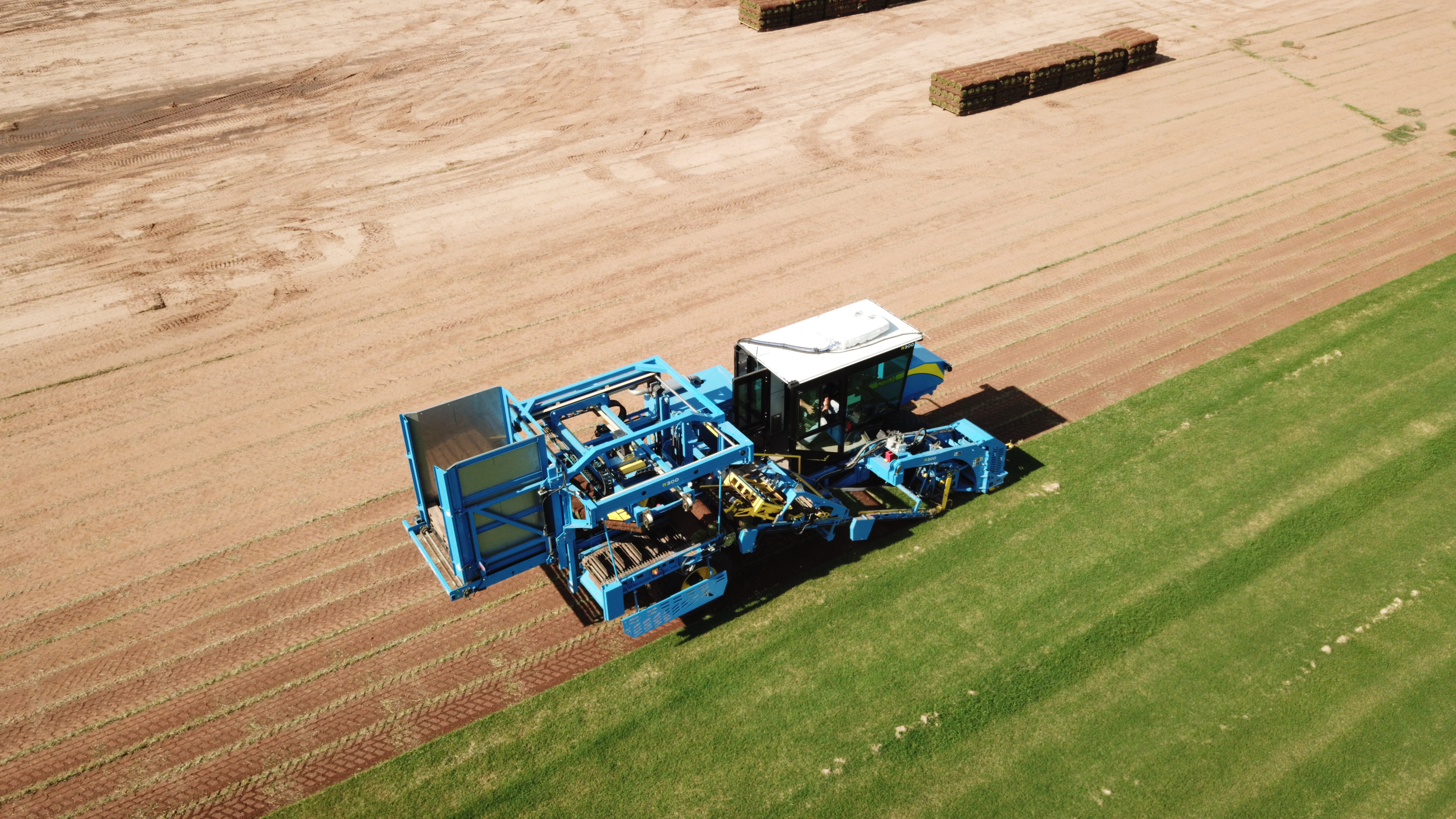 Full sun
Astro Bermuda
Full-sun workhorse
Dependable bermuda for sunny lawns, builders, and everyday Oklahoma projects.
Mowing height
Mow around 1.5-2.5 inches depending on the look you prefer. Lower mowing requires more frequent mowing, water, and fertilizer to maintain a lush green lawn.
Watering
During active growth, plan for about 0.5-1 inch of water per week depending on heat, rainfall, and soil. Water deeply and less often to encourage stronger roots.
Fertilization
Use a warm-season schedule. Fertilize after spring green-up and through summer while the grass is actively growing. Avoid pushing late fall growth as the lawn heads toward dormancy.
Weed prevention
Use pre-emergent timing in early spring and again in fall where appropriate. Keep the turf dense with proper mowing, watering, and fertility to reduce weed pressure.
Aeration / overseeding
Aerate during active warm-season growth, usually late spring through summer. Overseeding is not usually needed for established warm-season sod.
Seasonal notes
Expect winter dormancy and spring green-up as soil temperatures rise. The main maintenance window is late spring through summer in the Tulsa area.
Quote Astro Bermuda
Full sun
Astro Bermuda
Full-sun workhorse
Dependable bermuda for sunny lawns, builders, and everyday Oklahoma projects.
Mowing height
Mow around 1.5-2.5 inches depending on the look you prefer. Lower mowing requires more frequent mowing, water, and fertilizer to maintain a lush green lawn.
Watering
During active growth, plan for about 0.5-1 inch of water per week depending on heat, rainfall, and soil. Water deeply and less often to encourage stronger roots.
Fertilization
Use a warm-season schedule. Fertilize after spring green-up and through summer while the grass is actively growing. Avoid pushing late fall growth as the lawn heads toward dormancy.
Weed prevention
Use pre-emergent timing in early spring and again in fall where appropriate. Keep the turf dense with proper mowing, watering, and fertility to reduce weed pressure.
Aeration / overseeding
Aerate during active warm-season growth, usually late spring through summer. Overseeding is not usually needed for established warm-season sod.
Seasonal notes
Expect winter dormancy and spring green-up as soil temperatures rise. The main maintenance window is late spring through summer in the Tulsa area.
Quote Astro Bermuda
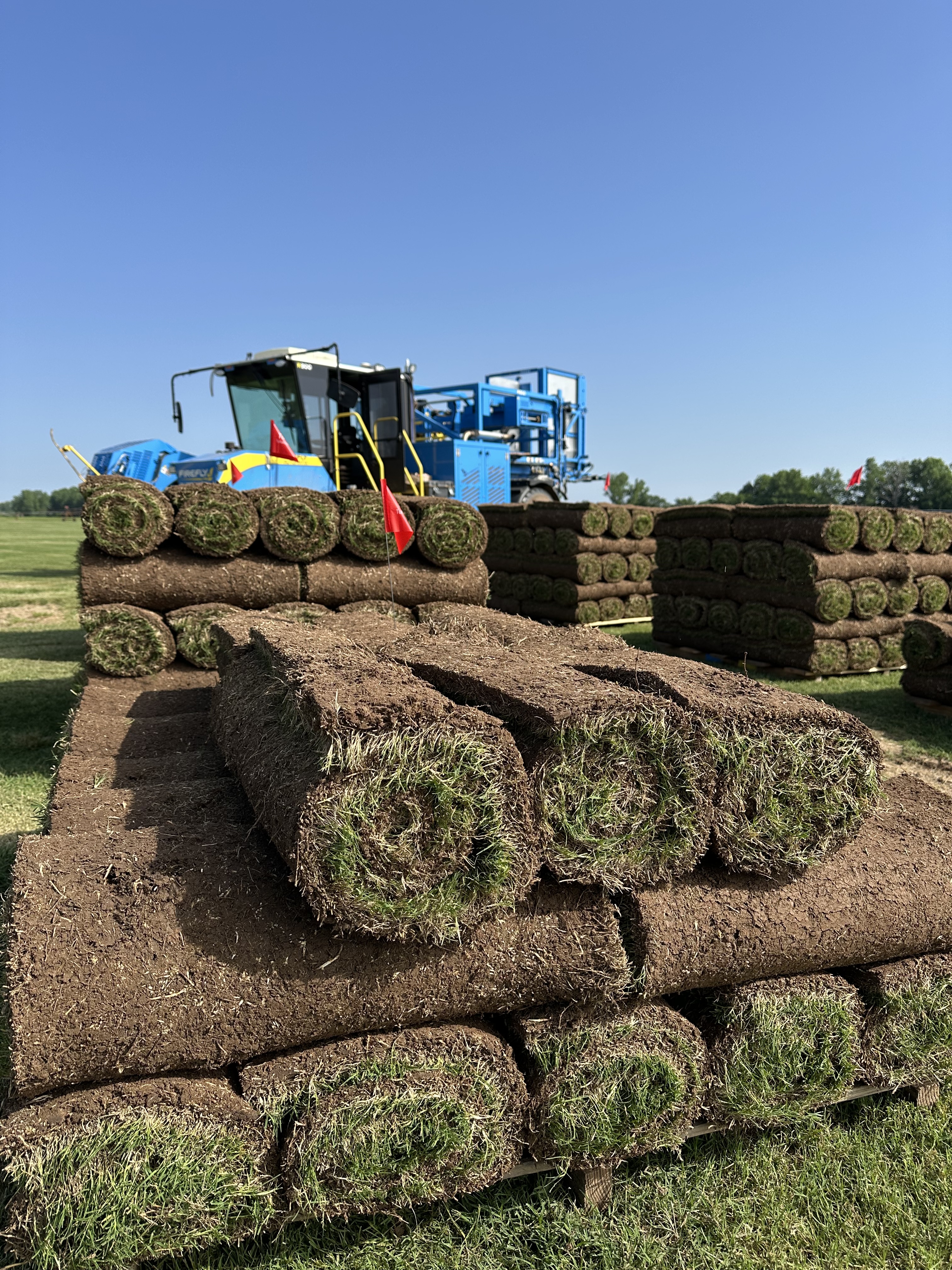 Certified bermuda
TifTuf
Premium drought performer
Premium certified bermuda with strong drought performance and dense texture.
Mowing height
Mow around 1.5-2.5 inches depending on the look you prefer. Lower mowing requires more frequent mowing, water, and fertilizer to maintain a lush green lawn.
Watering
TifTuf is selected for strong drought performance, but it still looks best with deep watering during hot, dry stretches. Plan around 0.5-1 inch per week depending on season and rainfall.
Fertilization
Use a warm-season schedule. Fertilize after spring green-up and through summer while the grass is actively growing. Avoid pushing late fall growth as the lawn heads toward dormancy.
Weed prevention
Use pre-emergent timing in early spring and again in fall where appropriate. Keep the turf dense with proper mowing, watering, and fertility to reduce weed pressure.
Aeration / overseeding
Aerate during active warm-season growth, usually late spring through summer. Overseeding is not usually needed for established warm-season sod.
Seasonal notes
TifTuf performs best with a warm-season program: spring green-up, steady summer care, and reduced inputs as growth slows in fall.
Quote TifTuf
Certified bermuda
TifTuf
Premium drought performer
Premium certified bermuda with strong drought performance and dense texture.
Mowing height
Mow around 1.5-2.5 inches depending on the look you prefer. Lower mowing requires more frequent mowing, water, and fertilizer to maintain a lush green lawn.
Watering
TifTuf is selected for strong drought performance, but it still looks best with deep watering during hot, dry stretches. Plan around 0.5-1 inch per week depending on season and rainfall.
Fertilization
Use a warm-season schedule. Fertilize after spring green-up and through summer while the grass is actively growing. Avoid pushing late fall growth as the lawn heads toward dormancy.
Weed prevention
Use pre-emergent timing in early spring and again in fall where appropriate. Keep the turf dense with proper mowing, watering, and fertility to reduce weed pressure.
Aeration / overseeding
Aerate during active warm-season growth, usually late spring through summer. Overseeding is not usually needed for established warm-season sod.
Seasonal notes
TifTuf performs best with a warm-season program: spring green-up, steady summer care, and reduced inputs as growth slows in fall.
Quote TifTuf
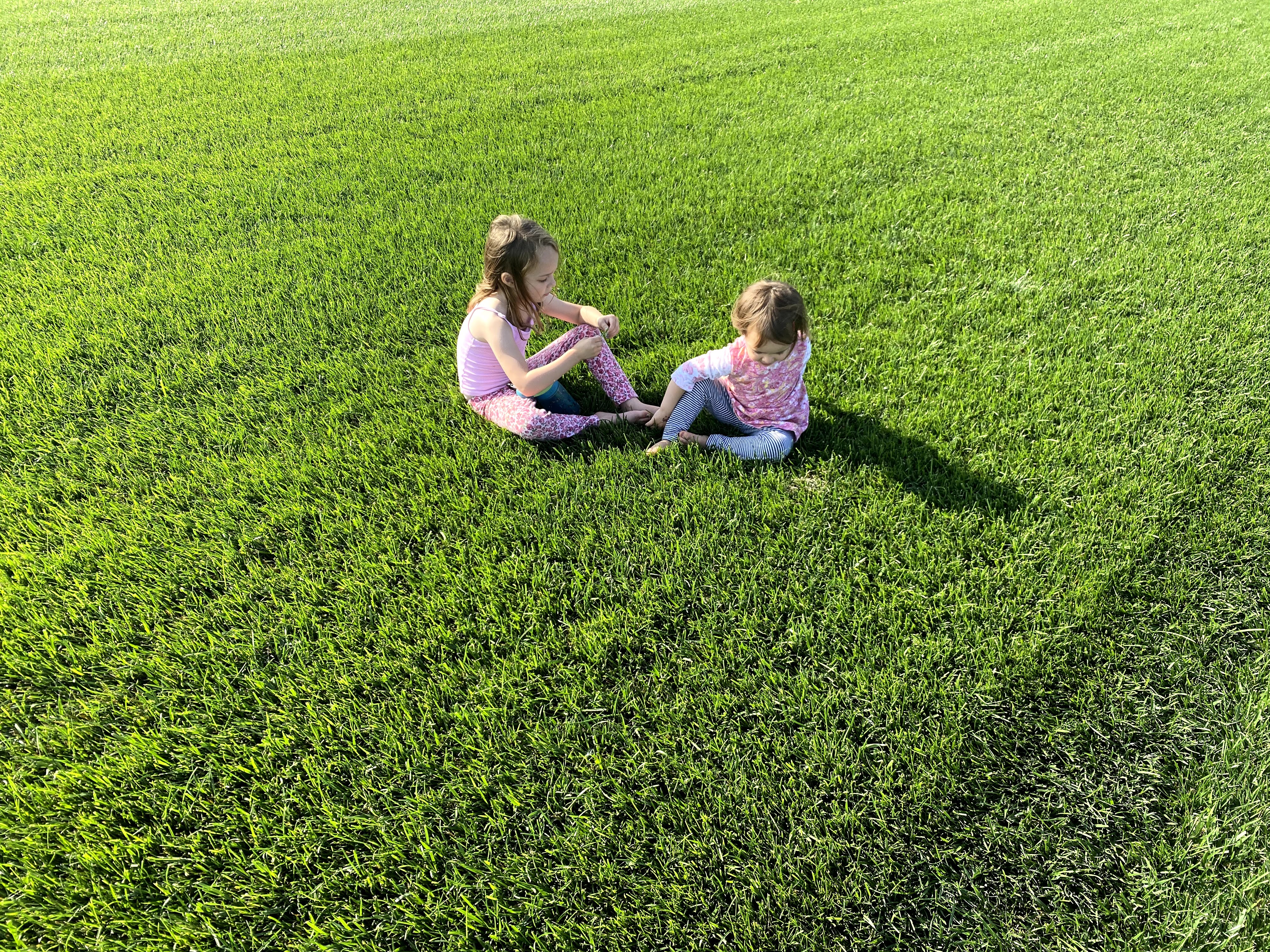 Mixed light
Black Beauty Tall Fescue
Rich color for sun and shade
Dark green tall fescue for lawns with a softer feel and mixed sun or shade.
Mowing height
Mow around 2.5-3 inches. Keeping fescue a little taller helps shade the soil and protect the crown during Tulsa summer heat.
Watering
Fescue has higher summer water needs than warm-season grasses. Water deeply, watch heat stress closely, and adjust for rainfall and site conditions.
Fertilization
Use a cool-season schedule. Fertilize in late winter or early spring and again in fall. Avoid summer fertilization during heat stress.
Weed prevention
Use weed prevention carefully around the fall seeding window. A healthy, dense fescue stand is the best long-term weed defense.
Aeration / overseeding
Aerate and overseed in fall when temperatures are cooler and germination conditions are stronger. Fall is the main repair and thickening season.
Seasonal notes
Fescue looks its best in spring and fall. Summer is the stress season, so mowing height, watering, and shade conditions matter most.
Quote Black Beauty Tall Fescue
Mixed light
Black Beauty Tall Fescue
Rich color for sun and shade
Dark green tall fescue for lawns with a softer feel and mixed sun or shade.
Mowing height
Mow around 2.5-3 inches. Keeping fescue a little taller helps shade the soil and protect the crown during Tulsa summer heat.
Watering
Fescue has higher summer water needs than warm-season grasses. Water deeply, watch heat stress closely, and adjust for rainfall and site conditions.
Fertilization
Use a cool-season schedule. Fertilize in late winter or early spring and again in fall. Avoid summer fertilization during heat stress.
Weed prevention
Use weed prevention carefully around the fall seeding window. A healthy, dense fescue stand is the best long-term weed defense.
Aeration / overseeding
Aerate and overseed in fall when temperatures are cooler and germination conditions are stronger. Fall is the main repair and thickening season.
Seasonal notes
Fescue looks its best in spring and fall. Summer is the stress season, so mowing height, watering, and shade conditions matter most.
Quote Black Beauty Tall Fescue
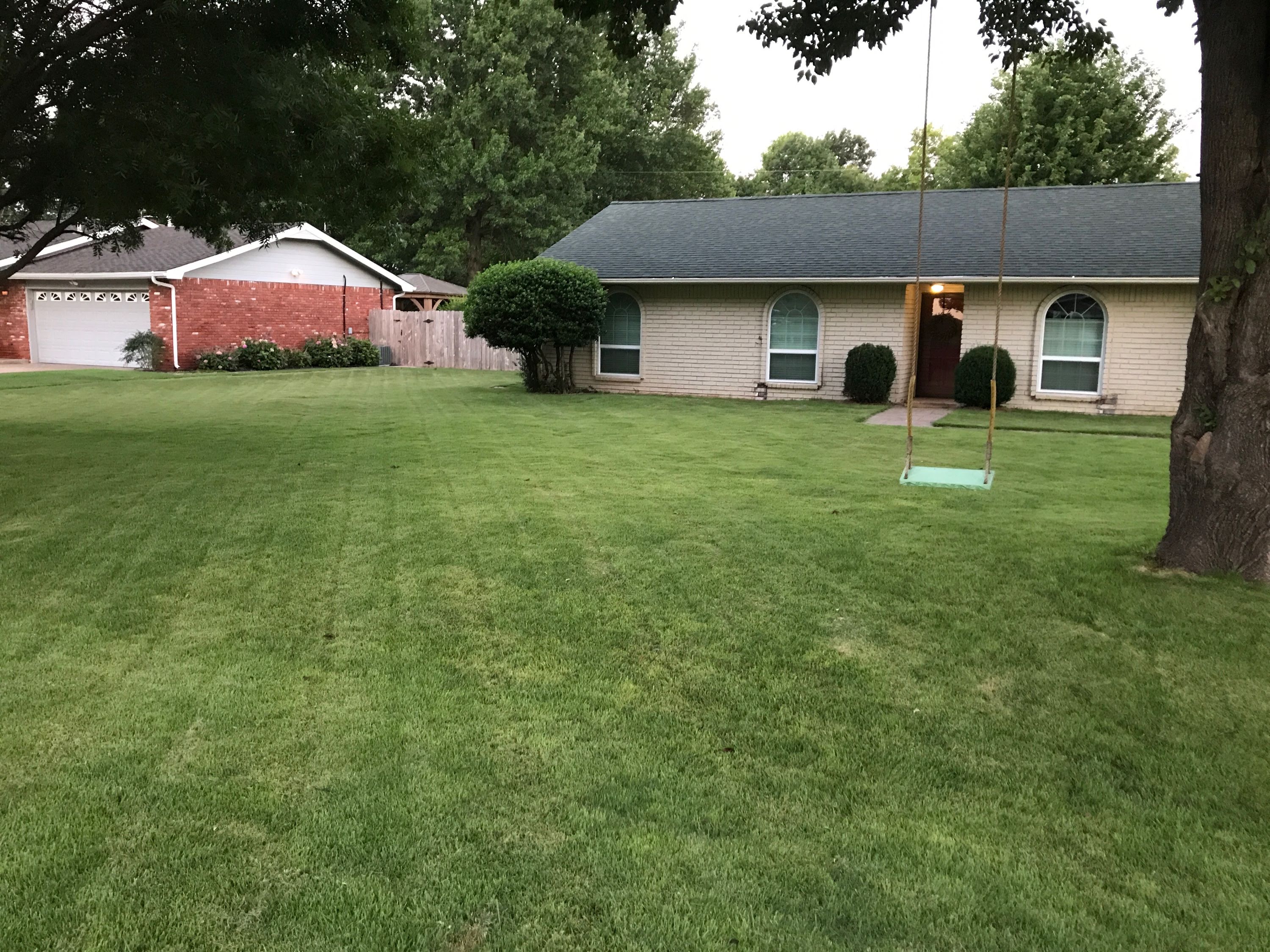 Dense finish
Zoysia
Tailored warm-season texture
Dense warm-season turf with a refined feel for projects that prioritize texture and appearance.
Mowing height
Mow around 1.5-2.5 inches depending on your preference and mower setup. Lower mowing needs more frequent mowing, water, and fertilizer to keep the turf dense and green.
Watering
During active growth, plan for about 0.5-1 inch of water per week depending on heat, rainfall, and soil. Water deeply and less often to encourage stronger roots.
Fertilization
Use a moderate warm-season fertility schedule after spring green-up and during active summer growth. Avoid overfeeding late in the season.
Weed prevention
Use pre-emergent timing in early spring and again in fall where appropriate. Keep the turf dense with proper mowing, watering, and fertility to reduce weed pressure.
Aeration / overseeding
Aerate during active warm-season growth, usually late spring through summer. Overseeding is not usually needed for established warm-season sod.
Seasonal notes
Zoysia is a dense warm-season turf. It greens up in spring, performs through summer, and goes dormant after colder weather arrives.
Quote Zoysia
Dense finish
Zoysia
Tailored warm-season texture
Dense warm-season turf with a refined feel for projects that prioritize texture and appearance.
Mowing height
Mow around 1.5-2.5 inches depending on your preference and mower setup. Lower mowing needs more frequent mowing, water, and fertilizer to keep the turf dense and green.
Watering
During active growth, plan for about 0.5-1 inch of water per week depending on heat, rainfall, and soil. Water deeply and less often to encourage stronger roots.
Fertilization
Use a moderate warm-season fertility schedule after spring green-up and during active summer growth. Avoid overfeeding late in the season.
Weed prevention
Use pre-emergent timing in early spring and again in fall where appropriate. Keep the turf dense with proper mowing, watering, and fertility to reduce weed pressure.
Aeration / overseeding
Aerate during active warm-season growth, usually late spring through summer. Overseeding is not usually needed for established warm-season sod.
Seasonal notes
Zoysia is a dense warm-season turf. It greens up in spring, performs through summer, and goes dormant after colder weather arrives.
Quote Zoysia
 Low input
Buffalo Grass
Native character for the right site
A specialty native-style option for lower-input sites where the project goals fit the grass.
Mowing height
Mow around 2.5-4 inches for a lower-input native look, or mow less often where the site goals allow a more natural texture.
Watering
Buffalo is lower-input once established, but new sod still needs consistent watering. Established lawns usually need less water than high-input turf, especially outside extreme heat.
Fertilization
Use light warm-season fertility. Too much nitrogen can push growth beyond the lower-maintenance goal for this grass.
Weed prevention
Prevent weeds by avoiding thin spots during establishment and using pre-emergent timing where appropriate for the site.
Aeration / overseeding
Aerate only when compaction calls for it, during active warm-season growth. Overseeding is not typically part of a Buffalo maintenance plan.
Seasonal notes
Buffalo fits lower-input sites best. It is warm-season turf, so expect winter dormancy and active growth during warmer months.
Quote Buffalo Grass
Low input
Buffalo Grass
Native character for the right site
A specialty native-style option for lower-input sites where the project goals fit the grass.
Mowing height
Mow around 2.5-4 inches for a lower-input native look, or mow less often where the site goals allow a more natural texture.
Watering
Buffalo is lower-input once established, but new sod still needs consistent watering. Established lawns usually need less water than high-input turf, especially outside extreme heat.
Fertilization
Use light warm-season fertility. Too much nitrogen can push growth beyond the lower-maintenance goal for this grass.
Weed prevention
Prevent weeds by avoiding thin spots during establishment and using pre-emergent timing where appropriate for the site.
Aeration / overseeding
Aerate only when compaction calls for it, during active warm-season growth. Overseeding is not typically part of a Buffalo maintenance plan.
Seasonal notes
Buffalo fits lower-input sites best. It is warm-season turf, so expect winter dormancy and active growth during warmer months.
Quote Buffalo Grass
Need certified turf?